![[object Object]](https://cdn.sanity.io/images/yz4v1m0i/production/38f2c02224d5ea8d551881949e819f95a9952e46-3972x5243.jpg?rect=0,0,3972,3972&w=48&h=48&fm=webp&fit=min)


Sign up to our weekly newsletter
Stay informed on the latest market updates – subscribe to our weekly newsletter today.
Leadership update at BTC Markets

BTC Markets is proud to announce two senior leadership appointments.
Lucas Dobbins has been promoted to Chief Executive Officer and Executive Director, following his leadership as Chief Technology Officer and his role in transforming our platform.
We also welcome Paul Stonham as Chief Commercial Officer, bringing deep commercial and financial markets experience to support our next phase of growth.
Learn more about the announcement here.
Mantle (MNT) is now live on BTC Markets!
Mantle (MNT) is now live and ready to trade on BTC Markets. Deposits and withdrawals are open, and the order book is active for real-time trading.
MNT has gained global attention for its performance and scalability, offering traders strong liquidity and access to a growing ecosystem.
Start trading MNT on BTC Markets now.
Finance Perspectives
Charlie Sherry, Head of Finance, BTC Markets
The bearish trend continues in crypto, with Bitcoin trading around US$73K at the time of writing. The broader picture hasn’t changed much. Bitcoin remains in a sustained downtrend since the October 2025 market top and few signs that this trend is easing.
From a price perspective, Bitcoin is sitting at a particularly important level. The US$74K area marked the entry point for the post-Trump election “Trump trade”, and BTC is currently trading below that level. A material loss of this area would increase the likelihood of further downside as the downtrend continues.
For any recovery to take shape, we need to see a clear break in the current bearish market structure. Reclaiming the US$79K level would be an initial step, though Bitcoin would still need to work through several resistance levels before the broader trend could be considered constructive again.
Read the full commentary on the BTC Markets blog.
Introduction
Risk, then reality. Bitcoin’s slide to US$72,863 crystallised the week’s tone as leverage washed out and flows confirmed deleveraging. Spot ETF redemptions turned the market’s power balance back to supply, while miners and corporates felt the cycle math. Macro didn’t help, with hawkish Fed chatter and geopolitical tension keeping risk appetite thin. Yet under the surface, builders kept building. Ethereum’s network activity held up, XRP’s institutional rails took another step forward, and Solana’s longterm thesis strengthened despite price softness. This week was about positioning, patience, and reading the flow tape rather than the next candle.
Check prices on the BTC Markets exchange.
Price action on Australia’s digital asset exchange
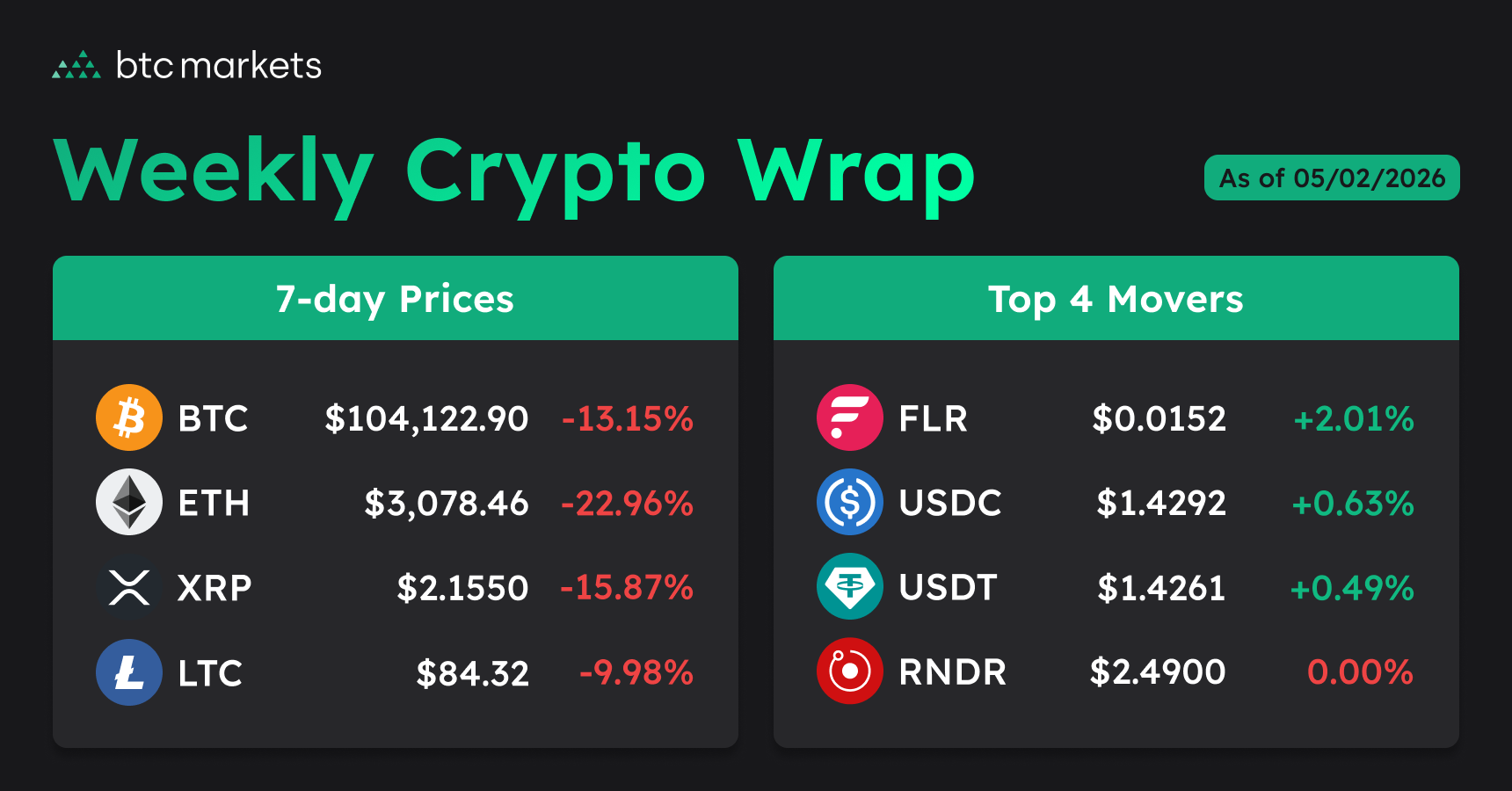
Price action on Australia’s digital asset exchange was broadly negative this week, with selling pressure felt across the board. Ethereum was the weakest major asset, sliding 22.96% to close at AU$3,078.46 as traders sharply reduced exposure to higher risk plays. XRP also saw heavy losses, falling 15.87% to AU$2.1550.
Bitcoin proved more resilient, down 13.15% to AU$104,122.90, while Litecoin was the relative outperformer, dipping 9.98% to AU$84.32. The lighter fall in BTC and LTC suggests investors were favouring assets with deeper liquidity during the selloff.
Overall sentiment was cautious, with the total crypto market value dropping to US$2.45 trillion, reflecting reduced risk appetite. Bitcoin dominance rose to 59.49%, signalling capital rotation back into BTC as traders sought relative stability amid ongoing uncertainty.
State of crypto
- Bitcoin tagged US$72,863, 40% off October’s high, with US$2.55B liquidations.
- Spot Bitcoin ETFs showed US$1.3B YTD outflows, IBIT stood out for inflows.
- Miners keep an eye on a 14% difficulty drop on February 8.
- Ethereum’s price fell, activity held firm, L2s urged to specialise.
- XRP advanced institutional rails despite price underperformance.
- Solana dipped below US$100, long-term targets lifted into 2030.
Bitcoin and macro, deleveraging meets discipline
Bitcoin’s move to US$72,863, roughly 40% below October’s peak, came with US$2.55B in liquidations, the kind of cleansing that resets positioning rather than ending cycles. ETFs corroborated the tone: roughly US$1.3B YTD outflows pushed AUM below US$100B, with IBIT the notable inflow outlier.
Corporate exposure offered a reality check too, as Strategy sat below its US$76,052 cost basis, reminding markets that even treasuries toe the cycle line. On the supply side, miners felt the strain, with a projected ~14% difficulty drop on Feb 8 as hash rate stepped back, easing pressure into a softer profitability regime.
Macro framed the tape. Hawkish Fed expectations, helped by Kevin Warsh chatter, alongside simmering Iran conflict kept risk assets on the back foot. Galaxy Digital’s Q4 and FY losses told you more about mark-to-market than operating momentum, even as they flagged a potential BTC bottom in the US$70K to US$100K zone. The US Treasury’s “no bailout, no CBDC” stance reinforced that policy won’t be a backstop. Meanwhile, Binance’s steady SAFU conversion added quiet bid depth, but CryptoQuant’s gauges stayed cautious as ETFs flipped to net sellers and stablecoin growth cooled. In short, the balance of flows demanded patience, not bravado.
Check BTC
Ethereum, usage resilience with a strategic pivot
Ethereum was a study in contrasts. Price pulled back to roughly US$2,100 to US$2,290, but activity stayed firm, with the 100-day moving average of active addresses hovering near 469,303. Transfers spiked to 1.17M, often a local heat signal that argues for caution on chase trades while acknowledging that usage remains sticky. The divergence between on-chain participation and spot price reinforced the idea that ETH’s cycle drivers are shifting from pure beta to utility plus cashflow narratives, particularly as staking income cushions drawdowns for large holders.
BitMine’s position, carrying about US$6.6B in unrealised losses on 4.24M ETH while collecting staking rewards, captures that duality. At the architectural level, Vitalik’s message was blunt: the original L2 scaling model no longer fits the moment. With main-net scaling improving and higher gas limits on the horizon, L2s need to specialise, privacy, identity, finance, AI, instead of only chasing transactions per second. For investors, that points to a quality filter: capital should favour L2s with clear product-market fit, credible security roadmaps, and fee capture, rather than generalist throughput. Near term, watch for whether elevated activity sustains as price stabilises, and whether developers pivot faster than speculators.
Check ETH
XRP, building institutional rails through the headwinds
Price underperformed this week, down around 16%, but the infrastructure story advanced. Ripple Prime integrated Hyperliquid, bringing on-chain perpetuals with cross-margining into an institutional interface. That matters because it tightens the bridge between traditional risk systems and DeFi venues where liquidity increasingly fragments. In parallel, the XLS80 amendment activated Permissioned Domains, enabling credential-gated access for regulated institutions, KYC and AML-friendly by design. It’s a pragmatic step toward real institutional adoption, where compliance hurdles, not code, tend to be the bottleneck.
Beyond plumbing, tokenisation got a tangible case study as a Dubai partnership moved to tokenise roughly US$280M in polished diamonds on the XRP Ledger. Real-world assets are not a silver bullet, but they broaden XRPL’s utility set and invite a different class of liquidity provider. The market will want to see secondary market depth, custody standards, and lifecycle tooling mature from “pilot” to “production.” In the short run, price may lag as macro and crypto beta dominate. But for allocators mapping the next cycle, a credible, compliant institutional stack on XRPL creates optionality that price alone cannot capture, especially if volumes migrate to permissioned venues.
Check XRP
Solana, short-term pain, longer-term conviction
Solana briefly dipped below US$100 with the broader selloff, a reminder that high beta cuts both ways. Yet the longview strengthened as Standard Chartered lifted the 2030 target path to US$2,000 while trimming 2026 to US$250. It’s a useful framing: the medium term may stay choppy as liquidity tightens, but the decade scale thesis compounding is intact. That thesis rests on ultralow fees and speed enabling stablecoin payments, consumer micropayments, and AI adjacent use cases, where latency and cost are existential rather than cosmetic.
Stablecoin turnover on Solana continues to run two to three times higher than Ethereum, an important signal of real transactional pull rather than speculative churn. For teams shipping payments and consumer rails, that efficiency gap can be the difference between a pilot and a live product. Near term, investors should watch for whether sub-US$100 congestion attracts builder interest or scares it; in previous drawdowns, Solana’s ecosystem tended to accelerate releases as valuations reset.
The key risk remains concentration, both in validator set quality and ecosystem dependency on a handful of power users. If those vectors continue to diversify while fee advantages hold, Solana’s cyclicality may come with a higher structural floor.
Check SOL
Crypto Fear & Greed Index
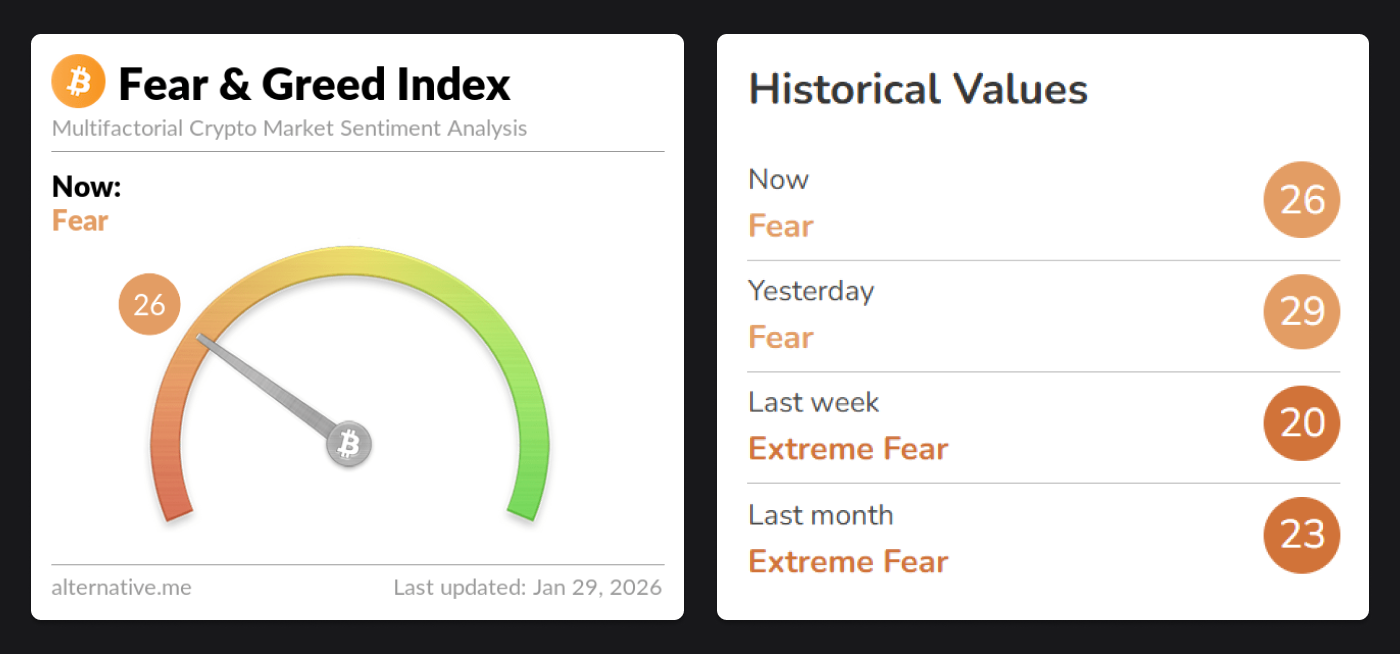
Source: Fear & Greed Index
BTC Markets in the news

Bloomberg: Bitcoin-Led Crypto Rout Erases Nearly Half a Trillion in a Week
“Asia morning sentiment is cautious and defensive. The mood is still risk‑off, but the pace of forced selling has slowed compared with the US close,” said Rachael Lucas, crypto analyst at BTC Markets.
Still, “Bitcoin printing sub-US$73,000 has pushed sentiment into extreme fear,” she said.
AFR: Bitcoin’s shocking four-month slide reverberates around the market
“Put simply, capital has been leaving bitcoin and moving into cash or other markets,” said the head of finance at BTC Markets, Charlie Sherry. The platform saw a 53 per cent spike in weekly volumes coinciding with the sell-off, but noted registrations remained resilient outside volatility events.
Announcements
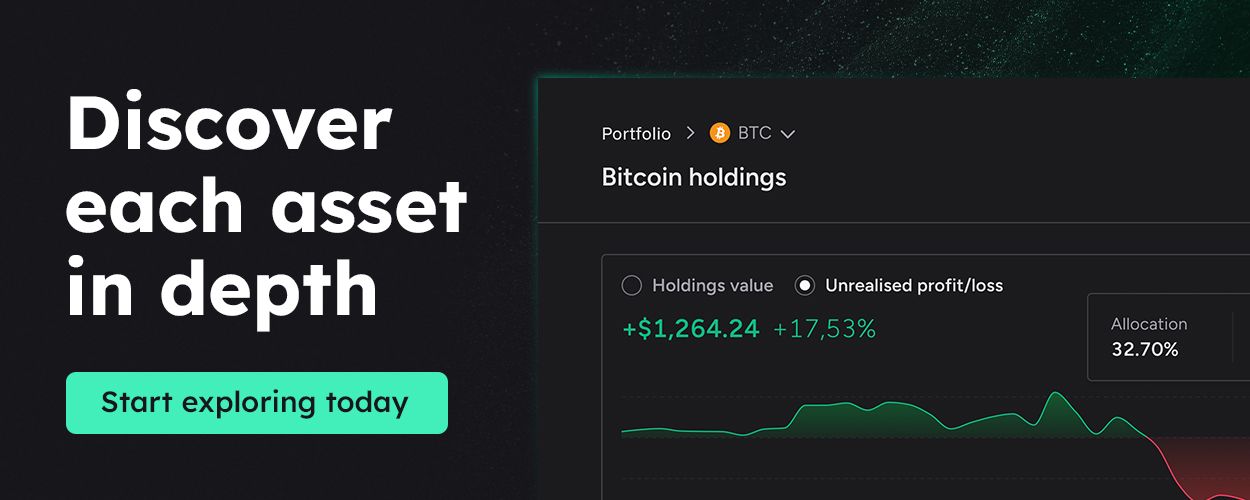
Holdings Pages now available
Holdings Pages are now live on BTC Markets. This update brings key asset-level information and portfolio context together in one place. It provides clearer visibility into your holdings and makes it easier to explore individual assets with relevant market data when trading.
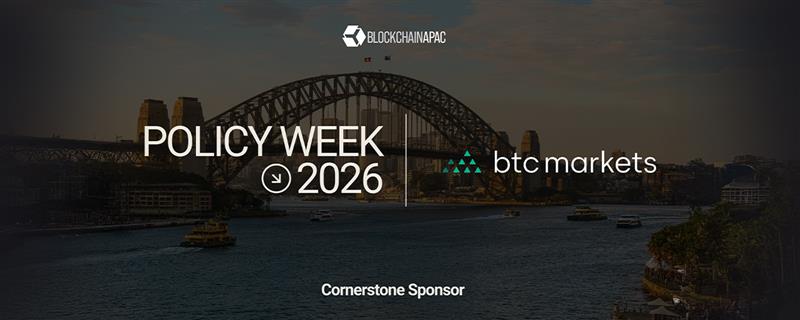
Policy Week 2026
We’re pleased to be supporting Policy Week 2026, an event bringing together leaders from government, regulation, finance and technology to advance conversations shaping Australia’s digital-assets policy and market landscape. As a Cornerstone Sponsor, BTC Markets looks forward to engaging with the community in Sydney from 9-13 March and contributing to a week of thoughtful dialogue and connection.
The week ahead: Economic events
Thursday, February 5th
- Australia Balance of Trade
- United Kingdom Interest Rate
- Euro Area Deposit Facility Rate & Euro Area Interest Rate
Friday, February 6th
- Germany Balance of Trade
- Canada Unemployment Rate
- United States Michigan Consumer Sentiment, Non-Farm Payrolls &United States Unemployment Rate
Tuesday, February 10th
- Australia Consumer Confidence MoM & Business Confidence
- US Retail Sales
Wednesday, February 11th
- China Inflation Rate
- United States Core Inflation Rate MoM, Core Inflation Rate, Inflation Rate MoM & Inflation Rate
- Australia Interest Rat
- France Inflation Rate
- United States Job Openings
Source: Trading Economics
Market reflections
- United States: Dollar steadied and yields nudged up as markets priced in restrained Fed rate cuts ahead of upcoming policy decisions
- Europe: Euro-zone GDP finished 2025 stronger than expected, underscoring resilience amid export headwinds
- China: Official PMI showed contraction in January, highlighting ongoing weakness in manufacturing and domestic demand
- Japan: Factory activity recovery extended, with export-driven production picking up alongside broader global PMI gains
- Australia: RBA reversed course, raising rates by 25 bps for the first time in two years amid persistent inflation pressures
Recent macro data painted a nuanced picture of global activity as major economies grappled with divergent growth dynamics and policy choices. In the United States, the dollar found firmer footing and Treasury yields ticked higher as markets factored in the possibility of more measured rate cuts from the Federal Reserve later in 2026, reflecting a backdrop of firm labour and economic indicators.
Across Europe, headline figures showed the euro-zone economy concluded 2025 with better-than-expected GDP growth, supported by domestic consumption and investment that helped offset sluggish exports and trade uncertainties.
In China, official data for January revealed a contraction in manufacturing activity as weak domestic demand continued to weigh on the sector, even s policymakers deploy targeted support measures to stabilise consumption and industrial output.
Meanwhile, Japan’s manufacturing sector featured in broader private surveys as part of a wider improvement in global factory activity, with output expanding in tandem with export demand, a positive sign for regional trade-linked growth prospects.
Australia’s central bank shifted its stance, raising interest rates by 25 basis points, its first hike in two years, as inflationary pressures and tighter labour market conditions prompted a recalibration of monetary policy away from prior easing expectations.
Overall, the latest data reinforce the uneven pace of the global recovery, as momentum builds in select economies while others remain weighed down by soft demand and policy challenges.
Final thoughts
This phase still belongs to disciplined positioning. Bitcoin’s deleveraging, ETF outflows, and miner relief hint at a market searching for equilibrium rather than capitulation. Ethereum’s usage resilience and L2 specialisation push, XRP’s institutional rails, and Solana’s long-run thesis all argue the builder bid is real, even if price is not.
Into next week, I’m watching Feb 8’s difficulty adjustment, MicroStrategy’s Feb print, ETF flow direction, funding, and stablecoin supply growth for evidence that incremental buyers are returning. Manage size, respect volatility, and let the tape confirm.
Ready to take advantage of the opportunities shaping the market? Log in to trade on Australia’s own digital asset exchange and stay positioned for what comes next.

Online safety: How to stay safe in online relationships
Online platforms such as dating apps, social media, and gaming communities make it easy to meet new people. While many connections are genuine, some individuals build relationships with the intention of gaining access to your money or personal information.
They may offer frequent attention, encourage you to move conversations to private apps, or share stories designed to create empathy or urgency. Over time, they may ask for financial support, suggest investment opportunities, or request personal images that could be misused later.
What to watch out for
- A relationship that develops unusually quickly or feels too perfect.
- Frequent excuses to avoid video calls or in-person meetings.
- Requests to move the conversation to private or encrypted messaging apps.
- Suggestions to send cryptocurrency, open accounts, or transfer funds.
- Discouraging you from speaking with friends or family about the relationship.
- Profiles with minimal information, inconsistencies, or reused photos.
How to stay safe
- Avoid sending money or cryptocurrency to anyone you have not met in person.
- Be cautious of investment ideas or opportunities shared by online contact
- Use reverse image search to check whether profile photos appear elsewhere.
- Speak with someone you trust if something feels unusual or uncomfortable.
- Never transfer money on behalf of someone else, as this could involve you in unlawful activity
Learn more at scamwatch.gov.au.
Stay up to date on the latest news in the crypto space.
Sign up for free and join over 380,000 Australian traders who receive the BTC Markets Weekly Crypto Wrap.
Subscribe to our status page for live system updates or follow us on X.
Feedback
If you have any feedback on our newsletter or want to request specific content, please submit a support ticket and we will respond shortly.
Disclaimer: The information provided on this page is issued by BTC Markets Pty Ltd (BTC Markets, we, us, our). The information is general only and is not intended to constitute an opinion or recommendation with respect to its contents. Past performance is not a reliable indicator of future performance. Any reference to past performance is intended to be for general illustrative purposes only. The information cannot be relied upon for any purposes and is not intended to be a substitute for professional advice.
The information does not purport to be complete, accurate or contain all of the information that a person may require to make a decision. It may also contain forward looking statements, which are subject to known and unknown risks, uncertainties, and other factors. We recommend you obtain professional advice before making any decision with respect to the matters discussed in this document. To the maximum extent permitted by law, BTC Markets will have no liability for any loss or liability of any kind: (i) arising in respect of the information contained (or not contained) on this page; or (ii) arising from a person relying on any information or statement contained on this page. The information provided is only intended for recipients in Australia. This information cannot be reproduced without our prior written permission.
Get BTC Markets content delivered
Keep up to date with the latest from BTC Markets. Unsubscribe anytime.SubscribeFind out the latest crypto news

What institutional partners should take from Australia's tokenisation timeline